
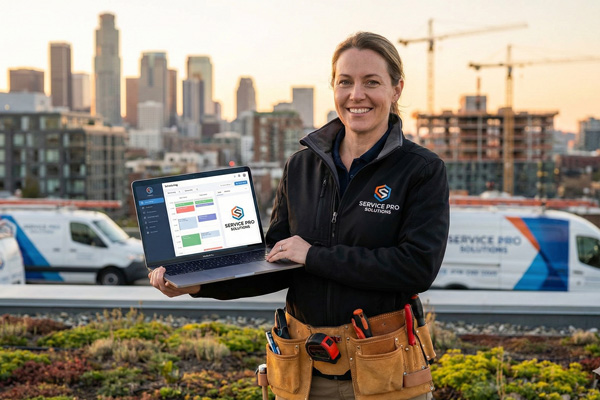
Home Services Her Way: How Smart Systems Beat Competitors to the Punch (and the Customer)
Speed is Currency $$$
In the hyper-competitive world of home services—plumbing, HVAC, electrical, roofing, and everything in between—speed isn't just a courtesy; it's currency. Every time a potential customer picks up the phone or submits an online request, they are holding a digital stopwatch. If you don't answer or respond quickly, you aren't just losing a lead; you are actively handing that revenue to your competition.
This phenomenon is why developing robust home service business systems is no longer optional—it's the foundation of modern success.

The Silent Killer: Why Missed Calls Are Losing Business
Let's face a brutal truth: missed calls losing business is the single biggest drain on profitability for most small to mid-sized home service companies. Why? Because when a pipe bursts, the AC quits, or the lights flicker, customers are in distress and they prioritize immediate relief. They are calling three, four, or even five different providers simultaneously. The first one to answer, qualify the lead, and book the appointment wins.
The Data Doesn't Lie: The Cost of Delay
Studies consistently show that the odds of qualifying a lead drop by over 80% if you wait longer than five minutes to respond. After 15 minutes, the lead is often cold, having already booked with a competitor. This isn't about being rude; it's about optimizing for urgency.
Many business owners mistakenly believe that voicemail or an automated greeting is sufficient. While these tools manage the call, they don't capture the customer. Customers want human interaction, assurance, and a scheduled solution. If they reach your voicemail, they hang up and dial the next number on their list.
Key Takeaway: If your current system allows more than 5% of inbound calls to go unanswered or unreturned within 60 seconds, you are suffering from significant revenue leakage.
Building Robust Home Service Business Systems for Instant Response
To achieve a sustainable competitor advantage home services requires moving beyond reactive management and implementing proactive, smart systems. These systems cover everything from initial contact to follow-up and review generation.

1. The 24/7 Answering Strategy
Your business hours are irrelevant to a customer experiencing an emergency at 8 PM on a Sunday. You need a reliable, high-quality solution for after-hours and overflow calls. This is where specialized answering services or virtual receptionists shine. They are trained specifically for the home services industry, capable of basic troubleshooting, quoting, and scheduling appointments directly into your calendar software.
* The Goal: Ensure every single inbound call is answered by a human being, regardless of the time.
* The System Component: Integrate a professional answering service with your CRM and scheduling platform.
2. Digital Lead Capture and Automation
Today's customers often prefer digital communication (text, web forms, chat). Your systems must be equally quick across all channels.
* Web Forms: Implement instant auto-responses via email and text message confirming receipt and stating the expected human response time (e.g., “We received your request and a technician will call you within 5 minutes”).
* Live Chat/Chatbots: Use AI-powered chatbots to handle initial qualification questions (What is the issue? What is your address?) and immediately route high-priority leads to an available dispatcher.
* Text-to-Book: Offer customers the ability to text a dedicated number. This is often faster and less intrusive than a full phone call, dramatically increasing your chances of converting missed calls or quickly capturing inbound digital leads.
3. Centralized Communication Hub (CRM)
Siloed communication kills speed. If your field technicians use one app, your office staff uses another, and your marketing team uses a third, information gets lost. A robust Customer Relationship Management (CRM) system is the backbone of efficient home service operations.
* Benefits: Instant access to customer history, automated follow-ups for estimates, and real-time tracking of technician availability. This allows your dispatchers to know exactly who is closest and available for an urgent call, providing a massive competitor advantage home services firms need.
Converting Missed Calls: Turning Mistakes into Opportunities
Even with the best systems, calls will occasionally be missed—during peak hours, simultaneous emergencies, or brief system outages. The key is how quickly you recover.
The 60-Second Recovery Protocol
If a call goes to voicemail, your system should immediately trigger a 60-second recovery protocol.
1. Automated Text: Send an immediate text message: “We missed your call! Sorry for the delay. We are currently assisting another customer. Please reply here with your name and service needed, and we will call you back in under 5 minutes.”
2. Internal Alert: The system sends a high-priority alert to the dispatcher or designated response team member.
3. Manual Follow-Up: The designated team member must attempt a manual callback within 5 minutes of the missed call notification.
This aggressive follow-up strategy dramatically improves your chances of converting missed calls. It shows the customer that while you might have been busy, their business is important, and you are committed to rapid service.
Gaining the Competitor Advantage Home Services Firms Need
What truly separates the industry leaders from the struggling providers is consistency and predictability. The leaders have standardized their response times, their booking process, and their follow-up protocols. This predictability translates directly into higher customer satisfaction and, crucially, better online reviews.
The Power of Proactive Customer Communication
Smart systems don't just react; they anticipate. Use your home service business systems to:
* Send Appointment Confirmations: Automated text/email confirmations immediately after booking.
* Send Technician Tracking: Provide a link 30 minutes before arrival so the customer can track the technician (like tracking a delivery driver).
* Automate Feedback Requests: Send a simple text message asking for feedback immediately after the job is complete. This captures positive sentiment while the experience is fresh, building a strong online reputation.
By systematizing these interactions, you reduce customer anxiety, minimize no-shows, and ensure that your service quality is consistently high—creating an insurmountable competitor advantage home services businesses can leverage for long-term growth.
Are Your Systems Up to the Task?
Take the Self-Audit
If reading this has made you question how many leads you might be losing every week, it’s time for an honest assessment. The difference between a good year and a great year often comes down to the quality of your operational systems.
Do you know your average response time for web leads? Do you know the percentage of calls that hit voicemail during peak hours? If the answer is no, you are operating blind.
We encourage you to take our free, comprehensive self-audit designed specifically for home service providers. This quick assessment will highlight bottlenecks in your current response rate and time management, giving you actionable data to plug those revenue leaks and start converting missed calls into booked jobs.
Stop letting your competitors beat you to the punch. Implement smart home service business systems today and watch your bottom line grow.
Click to take free audit of your business
FAQ Section
Q:What is the acceptable response time for a home service lead?
A:For urgent home service leads (like HVAC repair or plumbing emergencies), the acceptable response time is under five minutes. Research shows that waiting longer than five minutes drastically reduces the odds of qualifying the lead, as customers are likely calling multiple providers simultaneously.
Q:How can I prevent missed calls from losing business after hours?
A:To prevent missed calls from losing business after hours, implement a professional 24/7 answering service or virtual receptionist trained specifically for the home services industry. This ensures every call is answered by a human who can qualify the lead and schedule appointments directly into your calendar.
Q:What is the best system for converting missed calls?
A:The best system for converting missed calls involves an immediate 60-second recovery protocol. This should include an automated text message apologizing for the missed call and asking the customer to reply with their needs, followed by a manual callback attempt within five minutes.
Q:What technology gives a home service business a competitive advantage?
A:A centralized CRM (Customer Relationship Management) system is the most crucial technology. It centralizes digital and phone communication, automates follow-ups, tracks technician location, and enables rapid dispatch, providing a significant competitor advantage by optimizing speed and consistency.

